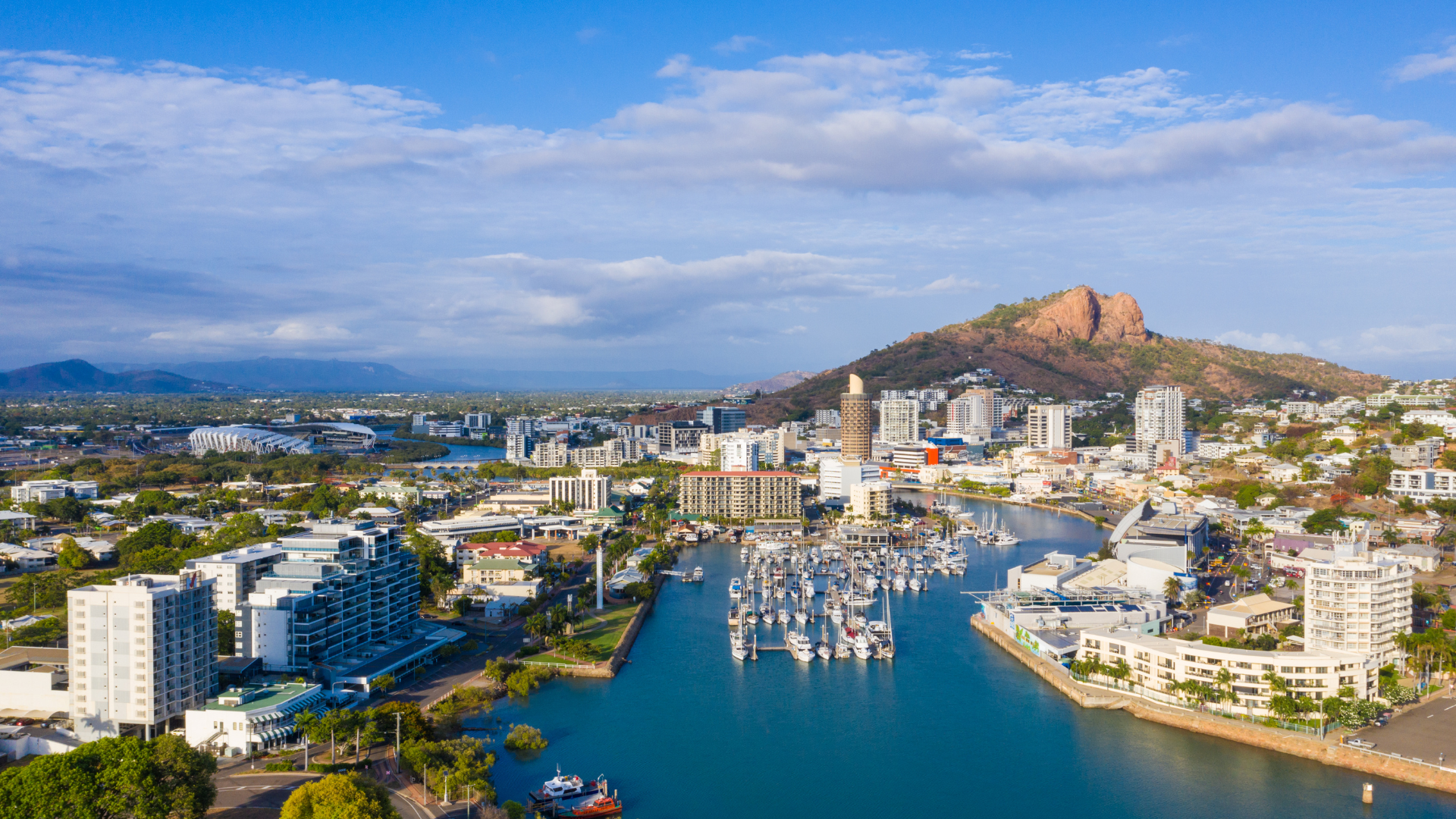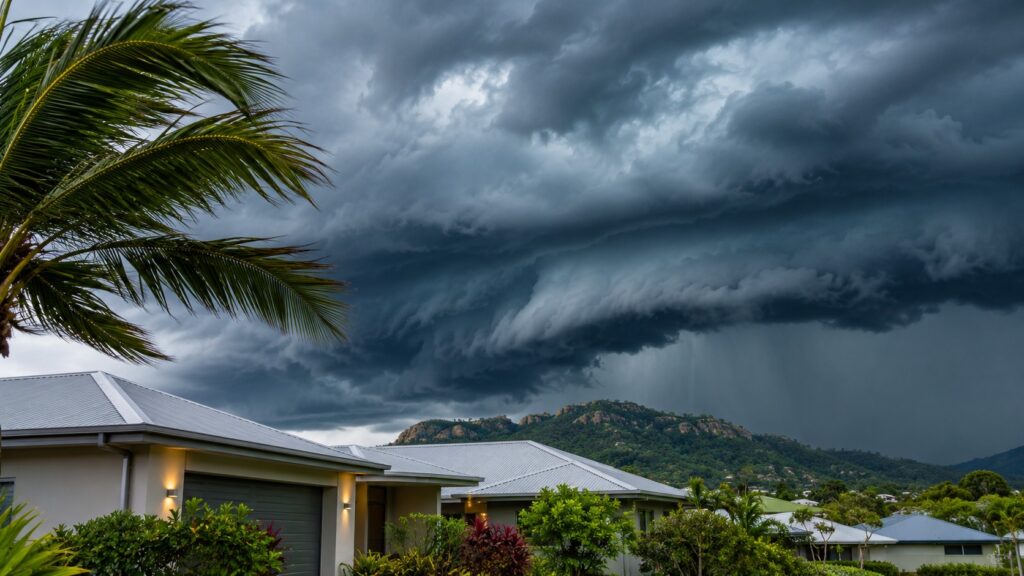
Living in North Queensland comes with plenty of perks. Beautiful beaches, warm weather, outdoor living and a lifestyle that’s hard to beat. But there’s one thing we all know comes with living in the tropics — cyclone season!
When you’re building a new home in Townsville, cyclone resilience is an essential part of the process. New homes must meet the applicable National Construction Code and Queensland building requirements, including wind-loading requirements specific to their location.
But there’s more to cyclone-conscious design than simply choosing strong materials.
Here are five things worth understanding before you start building.
1. It’s Not Just About Strong Walls — It’s About How Everything Connects
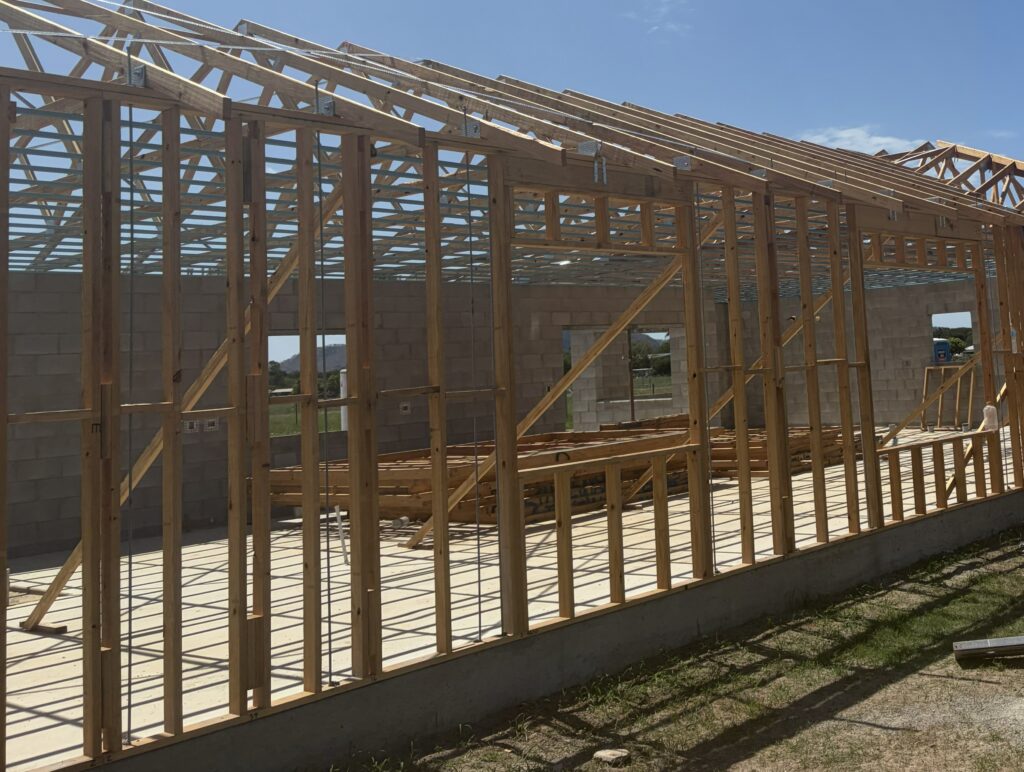
When we think about a cyclone-resistant home, we often picture solid walls and a strong roof. But did you know that the connections between these structural elements are just as important?
During a cyclone, strong winds can create significant uplift and sideways forces on a home. The structural elements and connections need to work together to transfer these forces through the building and into the foundations and ground.
This is known as a continuous load path.
It includes everything from roof fixings and framing through to wall structures, bracing and tie-down connections.
It’s a great reminder that the strength of a home isn’t determined by one individual product or material, but by how the entire structure is engineered to work together.
2. Your Roof Shape Can Make a Difference
Choosing a roof design is often about appearance, but in cyclone-prone regions, there’s more to consider than street appeal.
Different roof shapes and pitches interact with wind in different ways, influencing the pressures experienced across the structure.
Roof valleys, junctions and penetrations also need careful attention to detailing, flashing and installation to help manage wind-driven rain.
Simpler roof designs can reduce the number of junctions requiring attention, but roof shape alone doesn’t determine how well a home performs during a cyclone. Every roof needs appropriate engineering, connections, materials, drainage and installation for its location.
It doesn’t mean you need to sacrifice the look you love. It’s simply worth understanding how your design choices can influence your home’s performance during extreme weather.
3. Cyclone-Rated Windows Don’t Necessarily Mean Cyclone-Proof Windows
Here’s something that might surprise you!
Windows and glazed doors must meet applicable Australian Standards, including requirements for wind pressure and water penetration.
However, meeting these requirements doesn’t necessarily mean they’ll keep out every drop of wind-driven rain during a severe cyclone.
Strong winds can force rainwater through small gaps, seals and drainage openings that wouldn’t normally cause problems during everyday rainfall.
Flying debris is another consideration. A window designed to withstand significant wind pressure isn’t automatically designed to resist impacts from windborne objects.
If additional protection is being considered, it’s worth asking about appropriately tested and rated shutters or screens. Ordinary insect or security screens shouldn’t automatically be assumed to provide cyclone debris protection.
Sometimes it’s the smaller details that deserve a little extra attention.
4. Water Can Cause Damage Even When the Structure Remains Intact
We naturally associate cyclones with destructive winds, but water can be just as concerning.
Wind-driven rain can travel upwards, sideways and through openings that would ordinarily remain dry.
Even when a home experiences no major structural damage, water entering through roof junctions, windows or doors can damage ceilings, wall linings, flooring and personal belongings.
Careful attention to roof flashings, drainage, sealing and appropriate material selection can help reduce the risk.
It’s also worth considering the location of your home, particularly whether the property may be exposed to flooding or storm tide.
Here in Townsville, flood and coastal hazard risks can vary considerably from one property to another. Townsville City Council provides flood information and separate coastal hazard mapping to help identify areas that may require additional planning or building considerations.
These maps are a useful starting point, but property-specific requirements should always be confirmed with Council and your building professionals.
It’s worth understanding these risks early, ideally before purchasing your block of land.
A home designed for cyclonic winds isn’t automatically protected from every other hazard that can accompany a cyclone.
5. Your Garage Door Is More Important Than You Might Think
When you’re planning a new home, your garage door probably isn’t something you spend much time thinking about beyond its size, colour and style.
But in cyclone-prone regions like Townsville, it’s an important part of your home’s protection against extreme weather.
Garage doors are often one of the largest openings in a home, which means they can be exposed to significant wind pressures during a cyclone.
If a garage door fails during extreme winds, it can allow wind to enter the garage, potentially increasing internal pressures and placing additional stress on other parts of the building, including the roof.
New garage doors in cyclone-prone regions must meet applicable Australian Standards, including AS/NZS 4505, and be suitable for the wind pressures determined for the property.
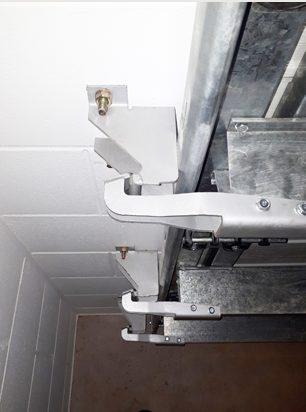
But it’s not just about the door itself! The tracks, brackets, fixings and surrounding structure all need to work together, with correct installation playing an equally important role.
It’s one of those everyday features that might look relatively simple, but there’s a lot more engineering behind it than you might expect!
Building with North Queensland in Mind
At Stonewood Homes Townsville, we believe understanding how a home is built is just as important as choosing how it looks.
Building in our region comes with unique considerations, and we’re passionate about exploring innovative construction methods, thoughtful design and quality building practices suited to North Queensland conditions.
Whether you’re just beginning to explore your options or already planning your new home, asking the right questions early can help you make more informed decisions throughout your building journey.
Because a beautiful home is about more than what you can see — it’s also about the thought and care that goes into building it.
Please note: This article provides general information only. Building requirements vary depending on the location and design of your home and should be confirmed with appropriately qualified building professionals. Cyclone-resilient construction can reduce the risk of damage but cannot guarantee complete protection during extreme weather.